November 4, 2026
Fire safety is a critical responsibility for businesses and organizations across numerous industries. Advanced fire alarm systems help protect occupants, valuable equipment, and commercial properties by providing early warnings and supporting coordinated emergency responses. Investing in professional commercial fire alarm installation allows organizations to address industry-specific risks while meeting applicable safety regulations. From healthcare facilities and educational institutions to manufacturing plants and data centers, modern detection technologies provide essential protection. Understanding their advantages helps business owners and facility managers develop effective fire prevention strategies while maintaining operational efficiency.
Enhancing Patient Safety in Healthcare Facilities
Healthcare facilities require stringent fire safety measures because many patients have limited mobility or depend on medical equipment. Advanced alarm systems provide early warnings that allow medical personnel to respond quickly and coordinate appropriate protective actions. According to the National Fire Protection Association (NFPA), approximately one in every 12 upholstered furniture fires results in a fatality. This statistic highlights the importance of effective detection and prevention measures.
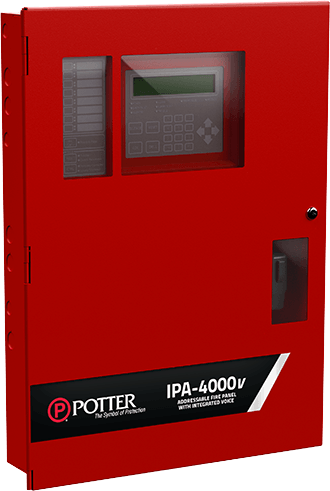
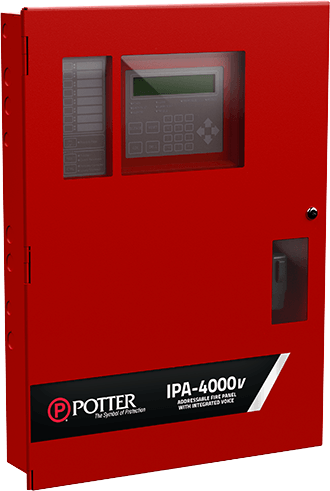
Professional commercial fire alarm installation helps hospitals, nursing homes, and medical offices establish reliable protection throughout their buildings. Addressable detection systems can identify specific alarm locations, allowing emergency personnel to investigate hazards efficiently. Early notification is especially important in operating rooms, intensive care units, and other areas where immediate evacuation may be difficult.
Supporting Healthcare Compliance and Emergency Preparedness
Healthcare organizations must comply with applicable fire codes, inspection requirements, and emergency preparedness standards. Modern alarm systems support these responsibilities through automated monitoring, detailed event records, and connections to other building safety equipment. Regular inspections and maintenance help identify malfunctioning components before they compromise protection.
Hospitals also benefit from coordinated emergency procedures that account for patients requiring assistance. Zoned notifications can support phased evacuation strategies when permitted by the facility's approved emergency plan. Staff training, evacuation drills, and clearly established responsibilities further improve preparedness. These measures help healthcare providers protect sensitive equipment, maintain essential services, and minimize unnecessary disruptions during emergencies.
Protecting Students and Staff in Educational Institutions
Schools, colleges, and universities accommodate large populations with different mobility needs, schedules, and familiarity with building layouts. Reliable fire detection provides students, educators, and administrative personnel with valuable time to respond to potential emergencies. Clear audible and visual notifications help communicate evacuation instructions throughout classrooms, hallways, cafeterias, and shared facilities.
Educational institutions benefit from commercial fire alarm installation designed around individual building layouts and occupancy requirements. Large campuses may require interconnected systems that coordinate notifications across multiple structures. Integrating fire alarms with approved emergency communication systems can improve coordination among administrators, security personnel, and emergency responders.
Regular evacuation drills reinforce safety procedures and familiarize occupants with designated exits and gathering locations. Additionally, properly maintained detection equipment can reduce avoidable interruptions caused by preventable system faults.
Improving Fire Protection Across Manufacturing Plants
Manufacturing facilities face distinctive fire hazards involving electrical equipment, combustible materials, industrial machinery, and production processes. Advanced detection systems help identify developing emergencies before they cause extensive damage. Early warnings give employees additional time to evacuate and allow trained personnel to implement established emergency procedures.
Specialized commercial fire alarm installation can address the environmental conditions and operational hazards present in manufacturing plants. Depending on the facility, appropriate technologies may include heat detectors, flame detectors, and equipment designed for dusty or challenging industrial environments. Selecting suitable detection methods helps improve reliability while reducing nuisance alarms.
Fire alarm systems can also interface with sprinkler monitoring equipment, ventilation controls, and other approved safety components. These connections support coordinated emergency responses and help limit damage to valuable machinery, inventory, and production infrastructure.
Reducing Manufacturing Downtime and Financial Losses
Unexpected production interruptions can create substantial financial challenges for manufacturers. Fire damage may require machinery replacement, building repairs, inventory disposal, and lengthy operational shutdowns. Businesses may also experience delayed deliveries and disruptions to important customer relationships.
Advanced fire detection helps reduce these risks by identifying hazards promptly and supporting faster emergency intervention. Automated notifications can alert designated personnel when facilities operate with limited staffing. However, detection systems must work alongside appropriate suppression equipment, emergency planning, and preventive maintenance.
Regular inspections, employee training, and documented response procedures strengthen workplace safety. Manufacturers should also evaluate potential ignition sources, maintain electrical systems, and establish clear evacuation routes. Combining these practices creates a more comprehensive approach to protecting employees and maintaining business continuity.
Strengthening Guest Safety in the Hospitality Industry
Hotels, resorts, restaurants, and event venues must protect occupants who may be unfamiliar with their surroundings. During emergencies, guests need clear notifications and accessible evacuation instructions. Advanced alarm systems provide audible and visual warnings that help occupants recognize potential dangers and locate appropriate exits.
Investing in commercial fire alarm installation allows hospitality businesses to address occupancy levels, building configurations, and applicable accessibility requirements. Large hotels may benefit from addressable systems that identify specific alarm locations and support approved emergency response procedures.
Fire alarm systems may also integrate with elevator controls, fire doors, and emergency communication equipment when required. These features support coordinated responses while helping personnel manage crowded environments. Reliable protection demonstrates an establishment's commitment to guest safety and responsible property management.
Protecting Hospitality Investments and Business Reputation
Fire incidents can significantly affect hospitality businesses through property damage, temporary closures, lost reservations, and reputational concerns. Hotels and entertainment venues often contain expensive furnishings, commercial kitchens, electronic equipment, and valuable guest amenities. Protecting these assets requires reliable detection alongside appropriate fire prevention practices.
Modern alarm systems support timely emergency responses, potentially reducing the severity of incidents and associated recovery expenses. Routine maintenance also helps ensure that detection equipment remains operational during periods of high occupancy.
Hospitality managers should provide employees with emergency response training and regularly review evacuation procedures. Coordinating with local fire authorities can further strengthen preparedness. These investments help protect guests, employees, business assets, and long-term operational stability.
Safeguarding Critical Infrastructure in Data Centers
Data centers contain sensitive servers, networking equipment, electrical infrastructure, and storage systems that support essential business operations. Even relatively small fire incidents can damage expensive components and interrupt digital services. Early detection is particularly important because smoke contamination may affect electronic equipment before flames spread.
Advanced commercial fire alarm installation can incorporate highly sensitive smoke detection technologies suited to data center environments. Aspirating smoke detection systems continuously sample air to identify small concentrations of smoke particles. This capability can provide earlier warnings under appropriate operating conditions.
Fire detection may also integrate with approved suppression systems, environmental monitoring equipment, and building management platforms. These connections help facility operators respond to developing hazards while protecting critical infrastructure and supporting service continuity.
Minimizing Data Center Downtime and Operational Disruptions
Data center outages can affect numerous organizations simultaneously, particularly when facilities support cloud applications, financial transactions, and communication networks. Fire incidents may interrupt essential services, compromise equipment availability, and create substantial recovery expenses.
Advanced monitoring systems provide facility managers with detailed alarm information and timely notifications. Integration with environmental controls can support coordinated responses involving ventilation equipment and other building systems. Appropriate fire suppression technologies may further limit damage when designed for the facility's specific requirements.
Advanced commercial fire alarm systems provide essential benefits across healthcare, education, manufacturing, hospitality, data centers, and retail environments. Although each industry faces different hazards, dependable detection, effective communication, and coordinated emergency responses remain fundamental to protecting occupants and property. Investing in commercial fire alarm installation helps organizations establish safety measures appropriate for their facilities while supporting regulatory compliance and operational continuity. Combined with regular maintenance, employee training, and comprehensive emergency planning, modern fire protection technologies help businesses create safer environments and reduce the potential consequences of fire-related incidents. Contact our team at Superior Fire & Security today and learn more about our fire alarm services.