July 1, 2026
Monitoring networks play a pivotal role in mitigating the impact of unexpected emergencies by significantly reducing response times. Quick action in the event of an emergency is crucial, as it protects lives and minimizes property damage. While a traditional setup alerts building occupants, monitored frameworks go a step further by directly notifying emergency services. This direct line of communication ensures a faster response from fire departments, potentially saving lives and resources. Over the course of this article, we will delve into the different aspects of monitoring capabilities and their profound impact on emergency management. Transitioning into the specifics, exploring these mechanisms reveals exactly why integrating a commercial fire alarm system is essential for comprehensive safety.
Defining the Core Functions With a Monitored Network
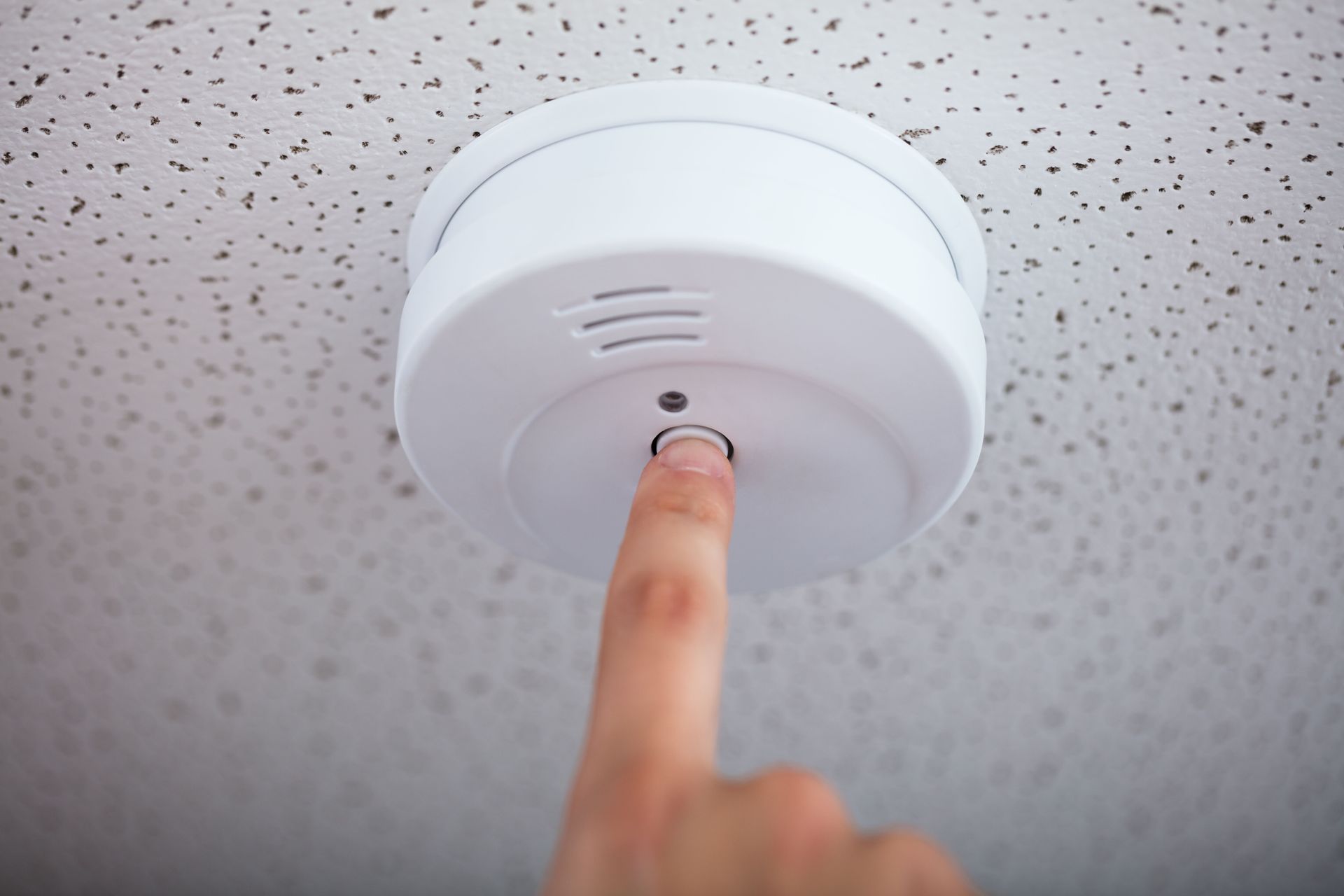
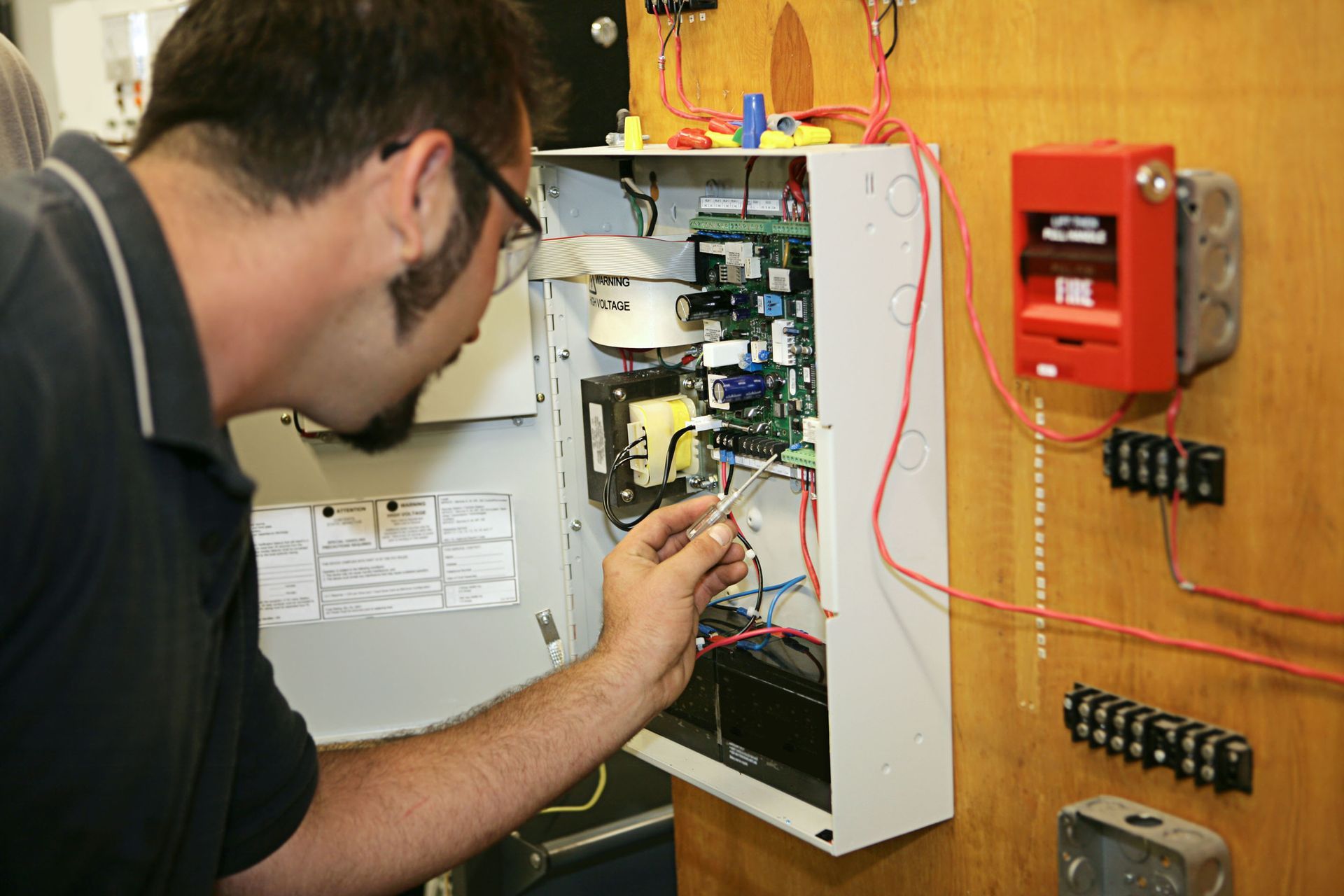
A modern fire alarm system is an interconnected network that provides real-time alerts and notifications to emergency services when smoke or heat is detected. The core function of these setups is to ensure that relevant authorities are notified immediately, reducing the overall time taken for a dispatch response. Unlike standalone audible alarms, monitoring networks maintain constant communication with a central station. This ensures that even in the absence of building occupants, incidents are reported and attended to promptly. Through proper fire alarm installation and repair, facilities can maintain this critical link. The overall objective is always to prevent the escalation of catastrophic incidents, thereby safeguarding lives and business property.
Exploring Types of Networks With Modern Features
There are several types of setups available, each catering to specific needs and commercial environments. Conventional configurations connect devices in a single area, while an addressable commercial fire alarm system allows for pinpointing the exact location of a detected issue. Wireless setups eliminate the need for complex wiring, making the addition manageable in older structures. Each type has specific advantages, and the choice depends largely on building architecture and budgetary constraints. Proper commercial fire alarm and detection planning ensures that the chosen setup maximizes early warning capabilities. The ultimate goal is to enhance detection speeds and ensure a swift response from local emergency personnel.
Integrating Technology to Enhance Emergency Responses
Technology integration is crucial to the effectiveness of a contemporary fire alarm system. Modern setups incorporate advanced technologies like cellular communication protocols, cloud-based interfaces, and robust remote monitoring capabilities. With these technological advancements, facility managers can manage and receive notifications on mobile devices, enhancing the overall responsiveness of the building. The incorporation of video verification alongside proper security system installation and service can also reduce false alarms, ensuring that departments are dispatched only when necessary. These integrations collectively improve the accuracy and effectiveness of response initiatives, making it easier to manage large commercial spaces efficiently.
Maintaining Strict Compliance With Local Fire Codes
Every fire alarm system must adhere to strict regulatory standards to ensure public safety and long-term efficiency. Compliance with standards set by organizations such as the National Fire Protection Association and local jurisdictions is essential for operational certification. Routine fire alarm certifications and inspections must be performed to maintain this compliance and ensure uninterrupted functionality. These regulations ensure that setups are reliable and fully capable of providing early detection alongside prompt notifications to centralized dispatch centers. Adherence to these strict standards remains the mutual responsibility of both the security providers and the commercial property owners overseeing the building.
Dispelling Common Myths Associated With Monitored Networks
Despite their proven effectiveness, there are several misconceptions surrounding monitored commercial setups. One common myth is that adding these configurations is prohibitively expensive, when in fact they are a crucial investment in safety that often comes with potential insurance benefits. Another widespread misconception is that commercial setups are prone to frequent false dispatches, potentially wasting valuable time for local departments. However, continuous technological advancements have significantly reduced false alerts through improved detection accuracy and rigorous verification processes. Understanding the true capabilities and long-term benefits of a monitored fire alarm system can clarify these misconceptions for concerned property owners seeking upgrades.
Facilitating Rapid Responses With Immediate Notification Protocols
The immediate notification protocols of commercial monitoring setups are specifically designed to facilitate rapid responses by emergency services. These protocols integrate various communication technologies to alert centralized stations instantaneously. Upon receiving an active alert, the receiving center quickly verifies the signal and notifies the municipal department without delay. This seamless chain of communication is essential in reducing the critical time between initial physical detection and the arrival of first responders. Ultimately, proactive Fire Alarm Monitoring allows emergency teams to arrive swiftly, minimizing potential damage and preventing tragic loss of life. Streamlining this process is the foundation of modern emergency management.
Automating Communication to Reduce Emergency Response Delays
Automated communication between commercial setups and local departments is a crucial component in reducing emergency response times. Once an active threat is triggered, the setup automatically contacts the authorities, detailing the exact nature and specific location of the incident. This helpful automation ensures that alerts are relayed without human intervention, heavily reducing the risk of delays or miscommunication. According to the NFPA, operating equipment and open flames or smoking materials — combined caused the fires that led to nearly three-quarters of the total home fire deaths 72% and injuries 76% from 2019 to 2023. Such statistics highlight the immense importance of automated systems in providing fast information to responders, enabling them to act effectively.
Eliminating Human Error During Critical Situations
Human error in high-stress situations can result in truly disastrous consequences, which is exactly why automated notifications are critical. Utilizing a monitored fire alarm system entirely eliminates the need for panicked building occupants to manually call emergency services, thus heavily reducing the associated risk of fatal errors due to severe panic or miscommunication. Automated configurations fully standardize the entire alert process, guaranteeing that highly accurate and completely consistent information reaches emergency responders every single time. This systematization directly results in much more predictable and reliable outcomes, which are vital during unexpected crises. It greatly enhances confidence between commercial property owners and local authorities, knowing that rapid responses are strictly based on accurate and timely data.
Reviewing Case Studies With Reduced Response Times
Numerous documented cases thoroughly illustrate the overall effectiveness of integrated monitoring configurations in drastically reducing response times. For instance, a detailed study conducted in a high-rise building showed that a monitored fire alarm system successfully reduced response times by several critical minutes compared to traditional local-only alarms. In another scenario involving a sprawling commercial campus, modern monitoring technology significantly improved tactical coordination and response effectiveness, beautifully demonstrating incredible versatility in massive, large-scale settings. The empirical data collected from these diverse cases consistently show a corresponding reduction in severe property damage and tragic human casualties. Such concrete evidence heavily reinforces the absolute necessity of implementing robust monitoring options as part of comprehensive safety strategies.
Enhancing Protection With Integrated Security Solutions
Beyond simple smoke detection, meticulously integrating comprehensive commercial security alarm systems alongside commercial fire alarm systems creates a highly unified defense mechanism for absolutely any property. When a facility properly utilizes synchronized security system monitoring, the centralized dispatch station gains a much clearer picture of what is happening on the ground during an active emergency event. For example, if a sudden blaze physically triggers a heat detector, strategically integrated cameras can instantly verify the true severity of the physical threat in real time. Routine security system testing and certification ensure that these interconnected components function flawlessly together when it matters most. By securely combining these essential protective measures, vigilant building managers can easily ensure a significantly safer environment that responds intelligently to multiple types of facility emergencies.
Highly active monitoring networks significantly enhance critical emergency response times, consistently offering critical lifesaving advantages for vastly diverse commercial environments. By eagerly embracing advanced digital technology and continuously ensuring strict operational compliance with mandatory regulatory standards, these synchronized networks vastly improve tactical coordination and communication between protected facilities and emergency responders. The ongoing advancements in monitoring technology demonstrate their unquestionable effectiveness in safeguarding innocent lives and valuable property while simultaneously providing real economic benefits through cost savings and helpful insurance incentives. If you are looking to properly upgrade your commercial facility protection, Superior Fire & Security is here to help. We proudly provide highly comprehensive safety solutions carefully tailored to your unique operational needs, guaranteeing your property remains fully protected around the clock. Contact us today to securely learn how our dedicated professional team can thoroughly elevate your emergency management strategies.